Gas Line Safety: What To Do the Moment You Smell It
The smell of gas is added on purpose so you'll notice it. When you do, the order you act in matters.
September 3, 2026 · 3 min read
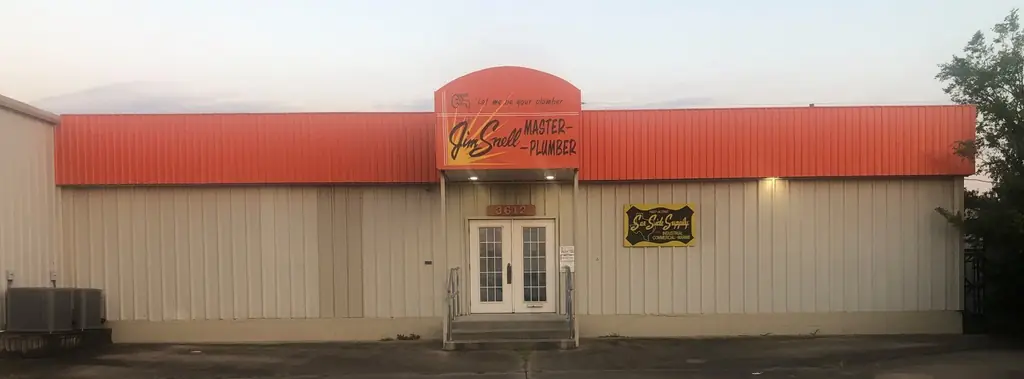
Natural gas is odorless on its own. The smell people associate with a gas leak, that sulfur or rotten egg smell, is added on purpose by the utility specifically so it gets noticed, because the alternative is a leak nobody notices until it's much worse. If you smell it, the smell is doing exactly what it was designed to do. Don't wait to see if it goes away.
What to do right then, in order
- Don't light a match, a lighter, or a stove burner, and don't flip any light switch on or off
- Don't use a phone or any electrical device inside the house, a spark is a spark
- Get everyone out of the house, including pets, and leave the door open behind you
- Once you're outside and away from the house, call the gas utility's emergency line or 911
- Don't go back inside until someone qualified tells you it's safe
That order matters. The switches and phones are on the list because an electrical spark, even a tiny one from a light switch, is enough to ignite gas that's built up in a room. This isn't caution for its own sake. It's why gas leaks get treated differently from almost every other plumbing problem.
Why gas work isn't a general handyman job
Installing, repairing, inspecting or testing a gas line in a home or business is journeyman grade work or higher, done by someone trained specifically in it, not a general repair task tacked onto a plumbing visit. The materials matter as much as the labor. The wrong sealant, the wrong fitting, a joint that looks tight but wasn't sealed with the correct material for gas rather than water, and you have a leak that won't announce itself the way a water leak does with a wet spot on the ceiling. Gas hides until it doesn't.
What testing and inspection actually involve
When we test a gas line, we're checking the whole run, not just the fitting somebody's worried about, for pressure loss and for leaks at every joint, using equipment built for that purpose rather than soap and a guess. Inspection is the same idea applied before a line goes into service or after any work has been done on it, confirming the whole system holds pressure the way it's supposed to before anybody turns the gas back on and lights a burner off it. This applies whether it's a residential kitchen line, a water heater connection, or a larger commercial or industrial run.
New installation and old lines
New gas line installation, whether it's a new appliance hookup or an extension to serve a remodel, gets tested and inspected as part of the job, not as an afterthought. Older lines, the kind that have been in a house since it was built decades ago, are worth having looked at periodically even without an obvious problem, because corrosion and old fittings don't always announce themselves before they fail.
Carbon monoxide is the other half of gas safety
Gas leaks and carbon monoxide are different hazards that get lumped together, and it's worth knowing the difference. A gas leak you can smell, at least once it reaches the concentration where the added odorant is noticeable. Carbon monoxide, produced when a gas appliance doesn't burn fuel completely, has no smell at all. It comes from a malfunctioning water heater, furnace, or other gas appliance rather than from the supply line itself, which is why a working carbon monoxide detector in the house matters alongside knowing what a gas leak smells like. If your gas appliances are working correctly, they aren't producing meaningful carbon monoxide. Part of a proper gas line and appliance inspection is confirming that's actually true rather than assuming it.
Residential versus commercial gas work
A house typically has one gas meter feeding a handful of appliances, which keeps the system relatively simple to test and trace. A commercial kitchen, a boiler room, or an industrial facility can have multiple appliances, larger diameter lines, and higher pressure requirements, which means more joints, more places for something to go wrong, and a longer, more careful testing process. The core safety principles don't change between the two. What changes is the scale of the system being tested and the amount of time it takes to check all of it properly.
If you ever smell gas in your house, get out first and call second. If you need a gas line installed, repaired, or just want an older one checked, that's exactly the kind of work we do at journeyman grade or higher, every time. Call (409) 226-2451.
Jim Snell Master Plumber Inc — (409) 226-2451
Call (409) 226-2451More articles
Why Slab Leaks Keep Coming Back in Jefferson County
The ground under a Nederland foundation never really sits still, and that's the whole reason this keeps happening.
What a Flat Rate Actually Means (and What Invoice Shock Is)
Most people bracing for a plumbing visit aren't really worried about the pipe. They're worried about the bill.